In the mature digital economy of 2026, a blockchain tracker is no longer a luxury—it is a mandatory tool for transparency and risk management. While basic users track prices, a certified blockchain expert uses these trackers to analyze whale movements, monitor total value locked (TVL), and audit protocol security in real-time. Whether you are an institutional investor or a Web3 developer, mastering on-chain data is the only way to maintain a competitive edge.
Types of Blockchain Trackers: From Retail to Institutional
In 2026, tracking tools are categorized by the depth of data they provide and the specific problem they solve for the user.
1. Portfolio and Price Trackers
These are the entry-level tools used to aggregate balances across multiple wallets and exchanges.
- Unified Dashboards: Tools like CoinStats or Zapper allow you to see your entire net worth across Layer 1s, Layer 2s, and staked DeFi positions in one interface.
- Automated Tax Reporting: Modern trackers now feature one-click integration with local tax authorities (like the UK’s HMRC or the US’s IRS) to generate compliant 2026 reports.
2. Whale and “Smart Money” Trackers
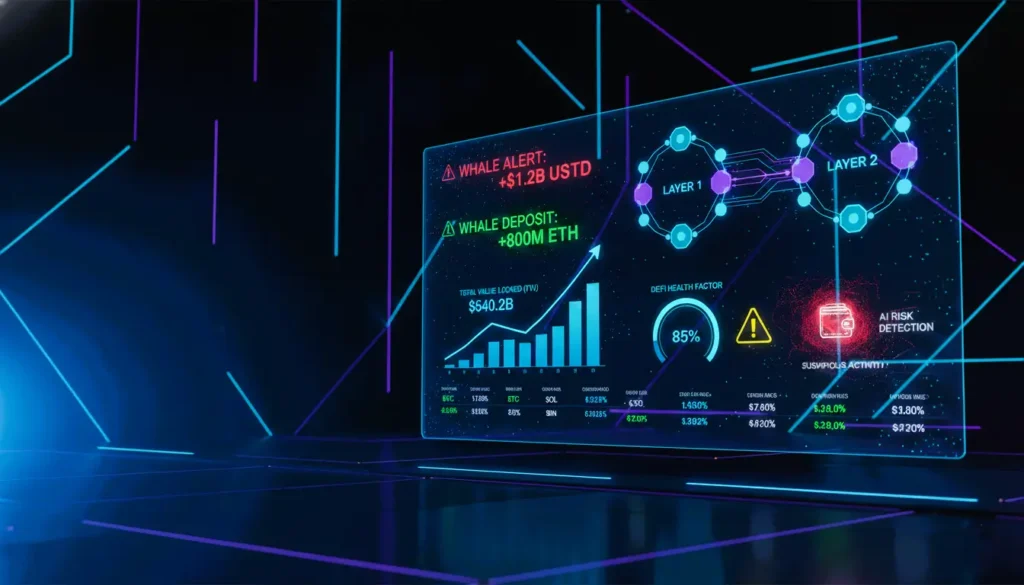
Professional engineers and traders use a blockchain tracker to follow the world’s most successful wallets.
- Alert Systems: Setting up push notifications for when “O.G.” Bitcoin wallets or major venture capital funds move assets.
- DEX Data Tracking: Using platforms like DexCheck or DEXTools to see live buy/sell orders on decentralized exchanges before they hit the major news cycles.
3. Forensic and Compliance Trackers
Used primarily by law enforcement and a certified blockchain expert for security audits.
- Traceability: Identifying the origin of “tainted” funds that have passed through mixers.
- Smart Contract Monitoring: Tracking the “Health Factor” of lending protocols like Aave to predict potential liquidations during market volatility.
The Expert Advantage: Advanced Features for 2026
A certified blockchain expert looks for these three high-tier features in a tracker to ensure maximum data accuracy.
Real-World Asset (RWA) Monitoring
With the massive 2026 shift toward tokenized real estate and stocks, top-tier trackers now include “off-chain” data feeds. This allows you to track the legal title or the physical gold bar backing a specific on-chain token.
Layer 2 and Cross-Chain Bridges
Native trackers for single chains are becoming obsolete. An expert-level blockchain tracker must offer “omnichain” visibility, showing how assets move across bridges (like LayerZero) and scale on ZK-Rollups simultaneously.
AI-Driven Predictive Analytics
By 2026, trackers will integrate machine learning to automatically flag “wash trading” and “pump and dump” schemes. These tools use pattern recognition to alert users of suspicious activity before a loss occurs.
Frequently Asked Questions (FAQ)
What is the difference between a blockchain tracker and a block explorer? A block explorer (like Etherscan) shows raw data for every single transaction on a specific chain. A blockchain tracker aggregates that data into a usable dashboard, often combining multiple chains and adding market prices or whale alerts.
How does a certified blockchain expert use these tools for security? Experts use trackers to monitor “allowance” permissions. If a tracker shows that a user has unknowingly given a malicious dApp “Unlimited Access” to their tokens, the expert can intervene to revoke those permissions.
Can a blockchain tracker see my name? No. All on-chain data is pseudonymous. A tracker sees your public address (e.g., 0x456…), but it cannot link it to your real-world identity unless you have linked that wallet to a KYC-verified service or a social profile.
Are there free blockchain trackers available? Yes, tools like DefiLlama and CoinGecko offer massive amounts of free data. However, “Pro” versions often include faster alert speeds and deeper access to institutional-grade “Smart Money” insights.
My Strategic Recommendations for Quality:
- Set Up “Watchlists”: Don’t just track your own wallet. Use your blockchain tracker to create a watchlist of the top 5 competitors or top 5 performing VCs in your niche.
- Monitor “Burn” Rates: If you are invested in a specific token, track its burn rate. A high burn rate often signals a healthy, deflationary ecosystem.
- Verify the Source: In 2026, ensure your tracker uses “Direct Node Access” rather than third-party APIs to ensure you are seeing the most accurate, real-time data possible.