The synergy between blockchain, cryptocurrency, and decentralized finance has fundamentally rewired the global economy. While many see crypto as a speculative asset, a certified blockchain expert views it as a programmable incentive layer. Understanding the mechanics of these digital assets is essential for anyone looking to navigate the transition from Web2 to the sovereign Web3 infrastructure.
The Architecture of Blockchain Cryptocurrency
Cryptocurrency is the “fuel” for the blockchain engine. It incentivizes the network’s decentralized nodes to validate transactions and secure the ledger without a central intermediary.
1. Consensus Mechanisms: Beyond Proof of Work
In 2026, the industry has largely migrated to energy-efficient models.
- Proof of Stake (PoS): Used by Ethereum and other major chains to secure the network via “staked” assets rather than energy-intensive mining.
- Delegated Proof of Stake (DPoS): Increasing throughput by electing specific nodes to handle validation, commonly used in high-performance chains.
- Proof of History (PoH): A specialized mechanism (like Solana’s) that adds a “timestamp” to transactions for near-instant execution.
2. Token Standards and Smart Contracts
Every blockchain cryptocurrency follows a specific standard that defines its behavior on the ledger.
- ERC-20 & BEP-20: The standards for fungible tokens used in trading and DeFi.
- ERC-721 & ERC-1155: The foundation for NFTs and semi-fungible assets.
- Account Abstraction: A 2026 milestone allowing cryptocurrencies to be managed by smart contracts rather than just simple private keys.
The Expert’s View: Utility vs. Speculation
As a certified blockchain expert, I evaluate cryptocurrencies based on their underlying utility within the ecosystem rather than price volatility.
DeFi and Liquidity Protocols
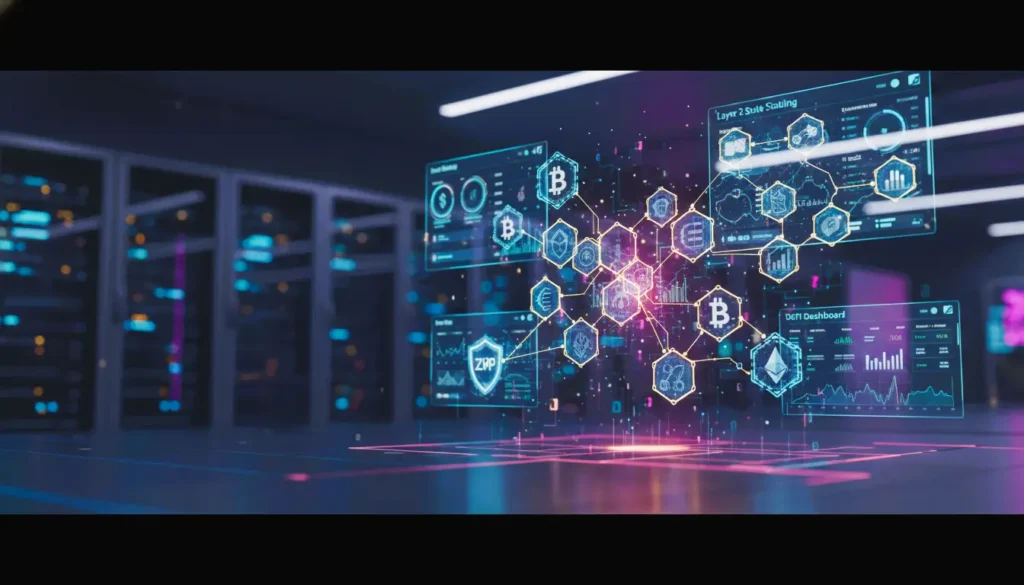
Cryptocurrency is the backbone of decentralized finance (DeFi). It enables permissionless lending, borrowing, and yield farming. In 2026, institutional-grade DeFi is integrating Real-World Assets (RWA), allowing traditional stocks and real estate to be tokenized and traded on-chain.
Layer 2 Scaling and Cross-Chain Interoperability
The most valuable cryptocurrencies in 2026 are those that power “Layer 2” solutions (like Arbitrum or ZK-Rollups). These protocols handle transactions off the main chain to reduce fees by up to 99%, while maintaining the security of the primary layer.
Why Professional Certification is Essential
The “Wild West” era of crypto is over. Regulatory frameworks like MiCA and the integration of Central Bank Digital Currencies (CBDCs) have made the role of a certified blockchain expert a corporate necessity.
- Security Auditing: Ensuring the code governing the cryptocurrency is free of logic flaws.
- Tokenomics Design: Architecting the supply and demand mechanics to prevent “death spirals.”
- Compliance Management: Bridging the gap between decentralized assets and traditional legal requirements.
Frequently Asked Questions (FAQ)
What is the difference between blockchain and cryptocurrency? Blockchain is the infrastructure (the ledger), while blockchain cryptocurrency is the digital asset (the fuel) that runs on that infrastructure to facilitate transactions and reward network participants.
Can a cryptocurrency exist without a blockchain? Technically, no. While some use “Directed Acyclic Graphs” (DAGs) instead of linear chains, all cryptocurrencies require a distributed ledger technology (DLT) to prevent double-spending and ensure decentralization.
Is it safe to hold cryptocurrency in 2026? Safety depends on “custody.” Using a non-custodial blockchain wallet with hardware security or MPC (Multi-Party Computation) is the expert-recommended method for securing assets.
How do I become a Certified Blockchain Expert? Certification involves passing a rigorous exam that tests your knowledge of cryptography, smart contract security, tokenomics, and decentralized business strategy.
Strategic Improvements for 2026:
- Monitor the “Burn”: Look for cryptocurrencies with “deflationary” mechanics (like EIP-1559). Burning a portion of transaction fees increases the scarcity and long-term value of the asset.
- Focus on ZK-Proof Coins: Privacy is the 2026 standard. Cryptocurrencies that utilize zero-knowledge proofs are seeing the highest adoption in enterprise sectors.
Governance Participation: Being an expert means more than holding coins; it means participating in DAO governance. Use your tokens to vote on protocol upgrades to shape the future of the network.