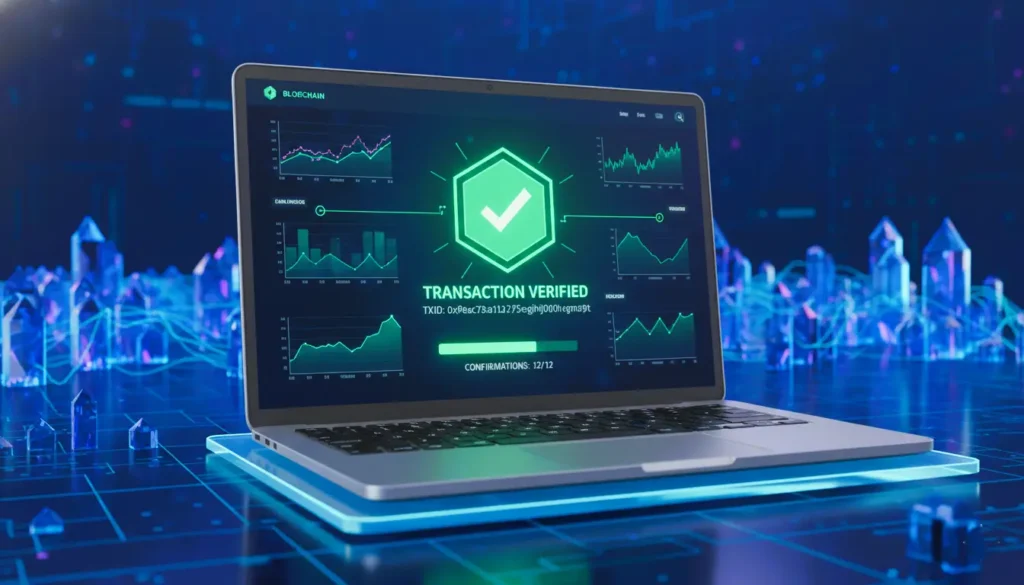
In the fast-paced world of digital assets, staying informed is essential. A blockchain transaction tracker allows anyone to monitor the movement of funds across decentralized networks in real-time. Whether you are a developer debugging a smart contract, an investor verifying a high-stakes transfer, or an NFT collector checking ownership, these trackers provide the transparency that defines the blockchain era.
Using a blockchain tracker ensures you never miss a transaction, reduces risk, and helps you make informed decisions in the crypto ecosystem.
How to Use a Blockchain Transaction Tracker
Operating a crypto transaction tracker is as simple as using a traditional search engine. By entering specific data, you can access the full history and status of a digital asset transfer.
Tracking with a Transaction Hash (TXID)
Every blockchain transaction generates a unique transaction hash (TXID), which acts as a digital receipt.
- Pending: The transaction is in the mempool waiting for a validator to confirm it.
- Confirmed: The transaction has been successfully added to a block.
- Finalized: The transaction is irreversible and permanently recorded on the blockchain.
Step-by-step Example:
- Copy the TXID from your wallet or exchange.
- Open your preferred blockchain tracker (e.g., Etherscan for Ethereum).
- Paste the TXID into the search bar.
- Check transaction status, confirmations, gas fees, and recipient address.
This simple process ensures transparency and prevents errors when sending or receiving digital assets.
Monitoring Wallet Addresses and Balances
Blockchain trackers also allow you to audit any public wallet address. Features include:
- Current balance of cryptocurrency or tokens
- Total number of transactions
- Detailed history of incoming and outgoing transfers
This is particularly useful for “whale watching”—monitoring large investors to gauge market sentiment.
Key Features for Maximum Efficiency
Modern blockchain trackers have evolved beyond simple transaction lookup tools. Look for these advanced features:
Real-Time Gas Fee Trackers
Network congestion can lead to skyrocketing transaction costs. Most trackers now include live gas fee dashboards.
- Bitcoin: Check satoshi-per-byte rates
- Ethereum: Monitor “Gwei” to optimize transaction timing
By tracking fees, you can avoid overpaying for routine transfers.
Smart Contract & Token Analytics
For DeFi and NFT users, trackers help verify smart contracts and token distribution:
- Contract Verification: Ensure the contract is official and not a scam or “honeypot.”
- Token Distribution & Rich List: Identify centralized risks by seeing if a small number of wallets control most tokens.
These features are crucial for safe investment and participation in decentralized projects.
Top Blockchain Transaction Trackers by Network
| Network | Recommended Tracker | Best For | Key Features |
|---|---|---|---|
| Bitcoin | Blockchain.com | BTC tracking | Confirmations, charts, and fee estimates |
| Ethereum | Etherscan | DeFi & smart contracts | Contract verification, token analytics, gas fees |
| Solana | Solscan | NFT & high-speed apps | NFT explorer, validator info, token distribution |
| Polygon | Polygonscan | Layer 2 & DeFi | Gas fee monitoring, token tracking, smart contracts |
| Multi-Chain | Blockchair | 20+ blockchains | Privacy-focused, analytics dashboards, API access |
Tip: Choose a tracker based on speed, supported networks, and analytical tools relevant to your needs.
Step-by-Step Use Case Examples
Example 1: Verifying an Ethereum Transaction
- Copy your TXID from MetaMask.
- Open Etherscan and paste the TXID.
- Check confirmation status and gas fees.
- Ensure the contract is verified if it involves a token transfer.
Example 2: Tracking Solana NFTs
- Open Solscan and search for the NFT wallet address.
- View transaction history and NFT movements.
- Track ownership and token distribution to prevent scams.
These practical examples help users avoid errors and maximize efficiency.
FAQs: Blockchain Transaction Tracker
1. Is a blockchain transaction tracker private?
The tracker displays public data only. Your real-world identity is not revealed, but your IP could be logged. For privacy, use a VPN when searching.
2. Why is my transaction not appearing on the tracker?
It may not have been broadcast yet. Check your wallet to confirm it was sent, or wait a few minutes for network indexing.
3. What is a block confirmation?
Each confirmation occurs when a new block is added on top of the one containing your transaction. For Bitcoin, 6 confirmations are typically considered fully secure.
4. Can I track multiple wallet addresses at once?
Some trackers, like Blockchair, allow multi-address monitoring, which is helpful for portfolio tracking.
5. Which tracker is best for NFT collections?
Solscan for Solana, Etherscan for Ethereum, and other chain-specific explorers provide NFT ownership and transaction history.
6. Can I track tokens across multiple networks?
Yes, multi-chain explorers like Blockchair support over 20 blockchains for comprehensive asset tracking.
7. How do I verify a smart contract?
Check the “Contract Verified” badge on Etherscan or other explorers to ensure legitimacy. Always avoid unverified contracts to prevent scams.
Security Best Practices
- Verify Smart Contracts: Only interact with verified contracts.
- Use Trusted Trackers: Stick to reputable sites like Blockchain.com, Etherscan, and Solscan.
- Double-Check Wallet Addresses: Always copy/paste addresses to avoid errors.
- Use a VPN for privacy: Protect your IP while tracking transactions.
- Monitor Gas Fees: Avoid overpaying by timing transactions using live fee trackers.
Related Tools and Resources
- Wallets: MetaMask, Ledger, Trust Wallet
- Exchanges: Binance, Coinbase
- Blockchain Guides: Tutorials for DeFi, NFT trading, and smart contracts
- APIs: Use explorers’ APIs for automated tracking and analytics
Summary
A blockchain transaction tracker is essential for anyone in crypto—developers, investors, or NFT enthusiasts. Key takeaways:
- TXID Tracking: Verify each transaction with real-time confirmation.
- Wallet Auditing: Monitor balances and transaction history.
- Smart Contract Verification: Avoid scams and honeypots.
- Gas Fee Optimization: Save on transaction costs using live trackers.
- Network-Specific Tools: Use the best explorer for Bitcoin, Ethereum, Solana, Polygon, or multi-chain analysis.
By following these steps and using reputable trackers, you can safely navigate the decentralized ecosystem while keeping your funds and investments secure.