A blockchain wallet is not a container for your digital coins; it is a gateway that manages your private keys and authorizes interactions with decentralized ledgers. As we enter 2026, the shift from “basic seed phrases” to “programmable security” has made the role of a certified blockchain expert essential. Understanding how to navigate these tools is the difference between a secure digital treasury and a vulnerable asset pool.
Types of Blockchain Wallets: Choosing Your Security Level
In 2026, the industry categorizes wallets based on their connection to the internet and how they manage the underlying cryptography.
1. Hot Wallets vs. Cold Wallets
- Hot Wallets: Software-based and always connected to the internet (e.g., browser extensions or mobile apps). Best for high-frequency trading and dApp interaction.
- Cold Wallets: Offline hardware devices or air-gapped systems. These remain the gold standard for long-term “deep cold storage” because the private keys never touch a network-connected environment.
2. Custodial vs. Non-Custodial (Self-Custody)
The mantra of a Certified Blockchain Expert is “Not your keys, not your coins.”
- Non-Custodial: You have total control over your recovery phrase. If you lose it, the assets are gone forever.
- Custodial: A third party (like an exchange) manages the keys for you. This offers convenience but introduces counterparty risk.
The 2026 Revolution: Account Abstraction and MPC
Static wallets are being replaced by “Smart Accounts” that offer features previously impossible in traditional finance.
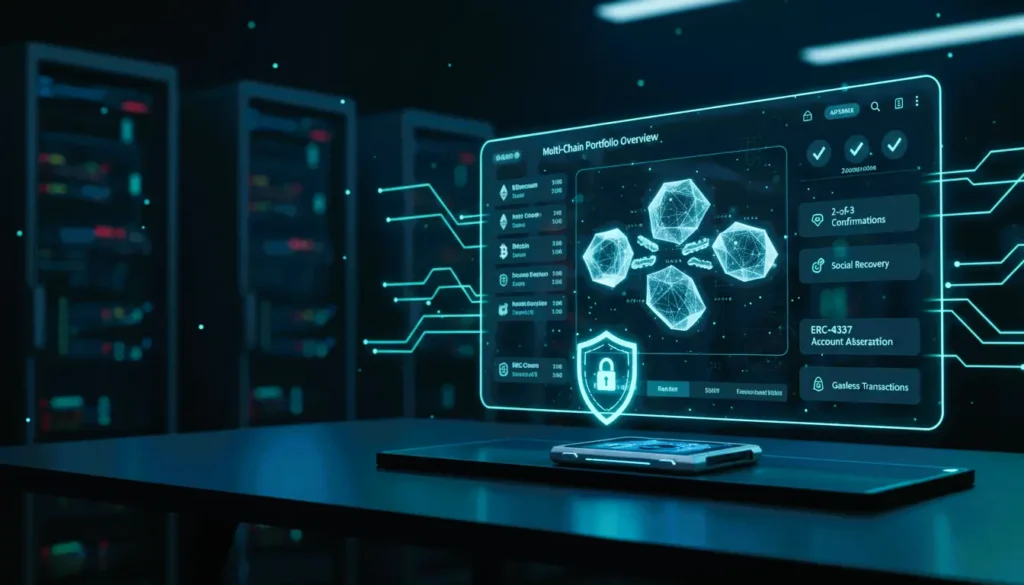
Account Abstraction (ERC-4337)
This technology turns a blockchain wallet into a programmable smart contract. It enables:
- Social Recovery: Regain access via trusted friends instead of a seed phrase.
- Gasless Transactions: Businesses can pay transaction fees on behalf of their users.
- Session Keys: Allowing a gaming app or trading bot to perform specific actions for a limited time without full access to your funds.
Multi-Party Computation (MPC)
Instead of a single private key, MPC wallets split the “secret” into multiple shards. To authorize a transaction, a threshold of these shards must collaborate without ever reconstructing the full key. This eliminates the “Single Point of Failure” that plagued early hardware wallets.
Best Practices for Enterprise-Grade Security
As a Certified Blockchain Expert, I recommend the following multi-layer defense strategy for any significant asset portfolio:
- Multi-Signature (Multisig) Setup: Requires 2-of-3 or 3-of-5 approvals for treasury movements.
- Burner Wallets: Use separate, low-balance wallets for interacting with new or unverified dApps.
- Regular Security Audits: Ensure your wallet’s “Permissions” are cleared regularly via tools like Revoke. cash.
Frequently Asked Questions (FAQ)
What is the best blockchain wallet for a beginner in 2026? For ease of use, non-custodial wallets with account abstraction (like Argent or OKX Wallet) are recommended because they offer “social recovery” instead of relying on complex seed phrases.
Can a blockchain wallet be hacked? The blockchain itself is secure, but the “entry point” (your wallet) can be compromised through phishing, malware, or leaked private keys. Using a hardware-backed MPC setup significantly reduces this risk.
What happens if I lose my hardware wallet? As long as you have your recovery phrase (seed phrase), you can restore your assets onto a new device. The funds live on the blockchain, not inside the physical plastic of the wallet.
Is it possible to have one wallet for all blockchains? Yes. Modern “multi-chain” wallets support Ethereum (EVM), Solana, Bitcoin, and Layer 2s simultaneously, allowing you to manage a diverse portfolio from a single interface.
My Strategic Recommendations for Quality:
- Avoid “Public Wi-Fi”: Never access your high-value blockchain wallet on public networks without a hardened VPN and hardware-based 2FA.
- Verify the “Signer”: Always read the transaction details in your wallet before clicking “Confirm.” Scammers often use “blind signing” to trick users into giving away permissions.
- On-Chain Reputation: In 2026, your wallet history acts as your “Web3 Credit Score.” Keeping a clean, verified history is vital for accessing exclusive DeFi protocols.